Structures Dried Before Mold Takes Hold
Water Damage Restoration in New Orleans for properties affected by plumbing failures, storms, or appliance leaks requiring immediate drying
Water intrusion into buildings begins deteriorating materials within hours, warping flooring, saturating insulation, damaging drywall, and creating conditions for mold growth within forty-eight hours if moisture is not extracted and dried. Southern Asbestos & Mold Removal provides water damage restoration throughout New Orleans for homes, businesses, apartments, and commercial properties where plumbing failures, roof leaks, broken pipes, appliance malfunctions, or storm-related flooding have introduced water into occupied spaces. Restoration involves emergency water extraction using truck-mounted pumps and portable extractors, moisture detection with infrared cameras and pin meters to locate hidden saturation, structural drying using dehumidifiers and air movers, sanitization of affected areas, and monitoring until moisture content drops to safe levels.
Responding within hours limits the extent of secondary damage and prevents mold colonization that would otherwise require additional remediation. Louisiana's high ambient humidity slows natural evaporation, making mechanical drying equipment necessary to remove moisture from building cavities, subfloors, and wall assemblies before fungal growth begins.
Contact Southern Asbestos & Mold Removal immediately after discovering water intrusion to begin emergency extraction and drying procedures.
Why Quick Drying Works for Storm Damage
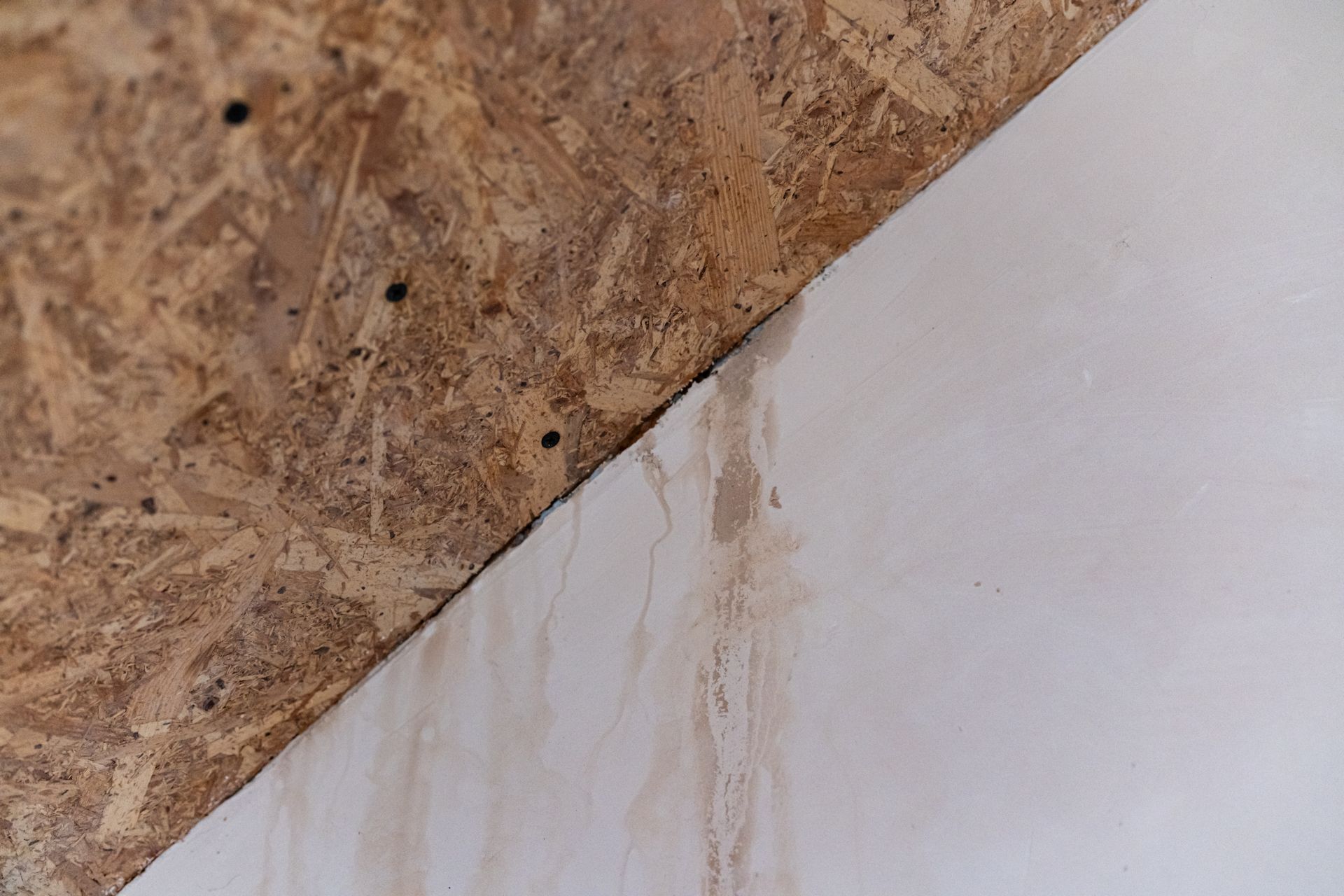
The restoration process starts with identifying the water source and stopping active intrusion, followed by extracting standing water from floors and carpets, removing saturated materials that cannot be salvaged such as soaked insulation and baseboards, and positioning commercial dehumidifiers and high-velocity air movers to accelerate evaporation from structural components. Moisture readings are taken multiple times daily to track drying progress and adjust equipment placement.
Once drying completes, hardwood floors no longer show cupping or buckling, drywall moisture content drops below twelve percent, and no musty odors indicate hidden moisture pockets that could support mold development. You can proceed with reconstruction knowing that structural components are stable and dry enough to accept new finishes without future warping or cracking.
Restoration timelines vary based on the volume of water, the extent of saturation, and the types of materials affected, with typical projects requiring three to seven days of continuous drying. Flooring, drywall, and insulation are protected when drying begins promptly, while delays often result in more extensive material removal and higher restoration costs.
What Property Owners Usually Ask
Water damage questions commonly address response timing, equipment used, and what determines whether materials can be saved or require replacement.
What equipment is used to remove water and dry building materials?
Truck-mounted extractors remove standing water from carpets and floors, commercial dehumidifiers pull moisture from air and porous materials, and high-velocity air movers increase evaporation rates by circulating air across wet surfaces.
How is hidden moisture detected inside walls and ceilings?
Infrared cameras identify temperature variations caused by wet insulation and framing, while pin-type moisture meters measure water content in drywall, wood studs, and subflooring to locate saturation not visible from the surface.
Why does Louisiana humidity slow down drying after water damage?
Outdoor humidity levels often exceed seventy percent, reducing the air's capacity to absorb additional moisture from wet building materials without mechanical dehumidification that creates drier indoor conditions.
What happens if drying is delayed for more than two days?
Mold colonization typically begins within forty-eight to seventy-two hours on damp drywall and insulation, requiring additional remediation work that would have been prevented by immediate drying.
How do you know when structural drying is complete?
Moisture meters confirm that wood framing has dropped below fifteen percent moisture content and drywall below twelve percent, indicating that materials have stabilized and no longer support mold growth or structural warping.
Prompt drying protects flooring, drywall, and insulation from permanent damage and prevents mold remediation costs. Southern Asbestos & Mold Removal responds quickly to water emergencies across New Orleans and Louisiana. Request emergency service to begin extraction and drying before secondary damage occurs.