Interior Spaces Cleared for Home Improvements
Residential Demolition in New Orleans for remodeling projects, additions, and property renovations requiring safe material removal
Homeowners preparing for kitchen remodels, bathroom renovations, room additions, or whole-house updates need controlled demolition that removes existing finishes without damaging structural framing or systems that will remain in place. Southern Asbestos & Mold Removal provides selective residential demolition for kitchens, bathrooms, flooring, drywall, ceilings, garages, and other living spaces where outdated materials must be cleared before contractors begin installation work. The process starts with asbestos inspections in older homes, since disturbing materials without testing creates health risks and complicates renovation timelines.
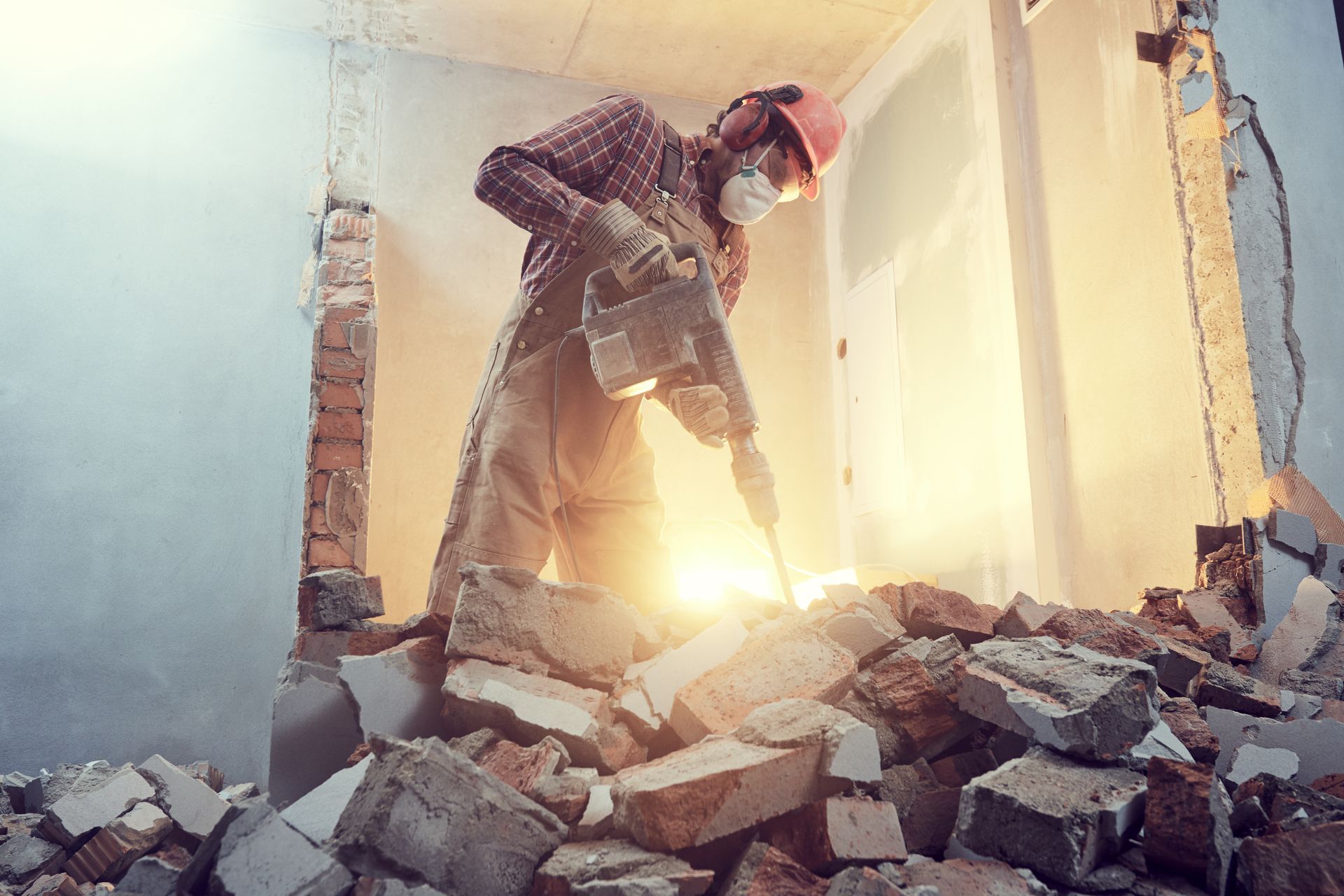
Demolition includes removing cabinetry, countertops, tile, fixtures, flooring layers, wall finishes, and ceiling assemblies down to studs, joists, or subfloors. Debris is bagged, hauled to staging areas, and removed from the property to keep work zones clear and prevent trip hazards. When asbestos testing identifies hazardous materials in flooring, texture, or insulation, abatement occurs before demolition continues, which prevents fiber release and ensures compliance with environmental standards.
Schedule a consultation to review your renovation scope and determine whether asbestos testing is required before demolition begins.
What Proper Residential Demolition Requires
Careful planning protects plumbing lines, electrical circuits, HVAC ducts, and structural members that support the home's framing system. Water supply lines are shut off before fixture removal, electrical circuits are de-energized at the panel, and gas lines are capped if appliances are disconnected. Hand tools and reciprocating saws allow precise cuts that separate finishes from framing without over-cutting into studs or joists that contractors need intact for the next phase of work.
You notice bare wall framing with wiring and plumbing exposed and accessible, subfloors cleared of old underlayment or tile, and ceiling joists visible where drywall or plaster has been removed. Demolition stops at the boundaries defined during planning, leaving adjacent rooms undisturbed and minimizing dust migration through the rest of the home. Debris removal happens daily or at project milestones to prevent accumulation that blocks contractor access or creates safety hazards.
Homes built before 1980 in New Orleans frequently contain asbestos in vinyl flooring, popcorn ceiling texture, and pipe wrapping, which means testing before demolition is a practical step that prevents mid-project delays if materials are later identified as hazardous. Site preparation also includes protecting finished floors in non-demolition areas with sheeting and establishing containment barriers to limit dust spread.
Common Questions About This Service
Residential demolition planning depends on the renovation scope, the age of the home, and the materials being removed.
What happens if asbestos is found during the inspection?
Abatement must occur before demolition continues, which involves isolating the affected area, removing the hazardous material using containment protocols, and conducting clearance testing to verify the space is safe for demolition and construction work.
How long does interior demolition take for a typical kitchen or bathroom?
Single-room demolition usually completes in one to two days depending on the extent of material removal, fixture disconnection requirements, and debris haul logistics, though projects involving multiple rooms or asbestos abatement extend that timeline.
Why is careful planning important during demolition?
Protecting structural framing, avoiding utility damage, and isolating work zones prevent costly repairs and keep the project on schedule, since over-demolition or accidental system damage requires additional work before contractors can proceed with renovations.
What should homeowners expect regarding dust and debris?
Demolition generates dust and particulate, so containment barriers, air filtration, and daily cleanup help limit migration into occupied areas, though some dust exposure is unavoidable during active material removal.
When should demolition be scheduled in relation to contractor availability?
Demolition should finish just before contractors are ready to start framing, plumbing, electrical, or finish work, which prevents delays and ensures the space remains clean and accessible when trades arrive.
Southern Asbestos & Mold Removal prepares residential properties for renovations with
demolition services that prioritize safety, structural protection, and efficient debris removal. Contact the company at (504) 493-1900 to discuss your remodeling project and schedule asbestos testing if your home was built before 1980.