Properties Cleared for Tenant Improvements and Renovations
Commercial Demolition in New Orleans for offices, retail centers, warehouses, schools, and healthcare facilities undergoing build-outs or structural updates
Tenant improvement projects, facility upgrades, and property repositioning require demolition that removes outdated finishes, reconfigures interior layouts, and prepares spaces for new construction without disrupting adjacent tenants or building operations. Commercial demolition involves selective removal of partition walls, suspended ceilings, flooring systems, fixtures, and mechanical components in offices, retail centers, restaurants, warehouses, schools, healthcare facilities, and industrial properties. Southern Asbestos & Mold Removal coordinates with general contractors, architects, and property managers to align demolition schedules with project timelines and occupancy constraints, ensuring work proceeds safely and efficiently.
Environmental planning precedes demolition in commercial buildings, particularly those constructed before regulatory changes in the 1980s. Asbestos inspections identify hazardous materials in ceiling tiles, floor mastic, pipe insulation, and wall panels, and abatement occurs before demolition begins to prevent fiber release and maintain regulatory compliance. Coordination includes isolating utilities, scheduling debris removal to avoid disrupting building access, and establishing containment barriers that protect occupied areas from dust and noise.
Request a project estimate to review demolition scope, environmental considerations, and scheduling requirements for your commercial property.
Why Environmental Planning Comes First
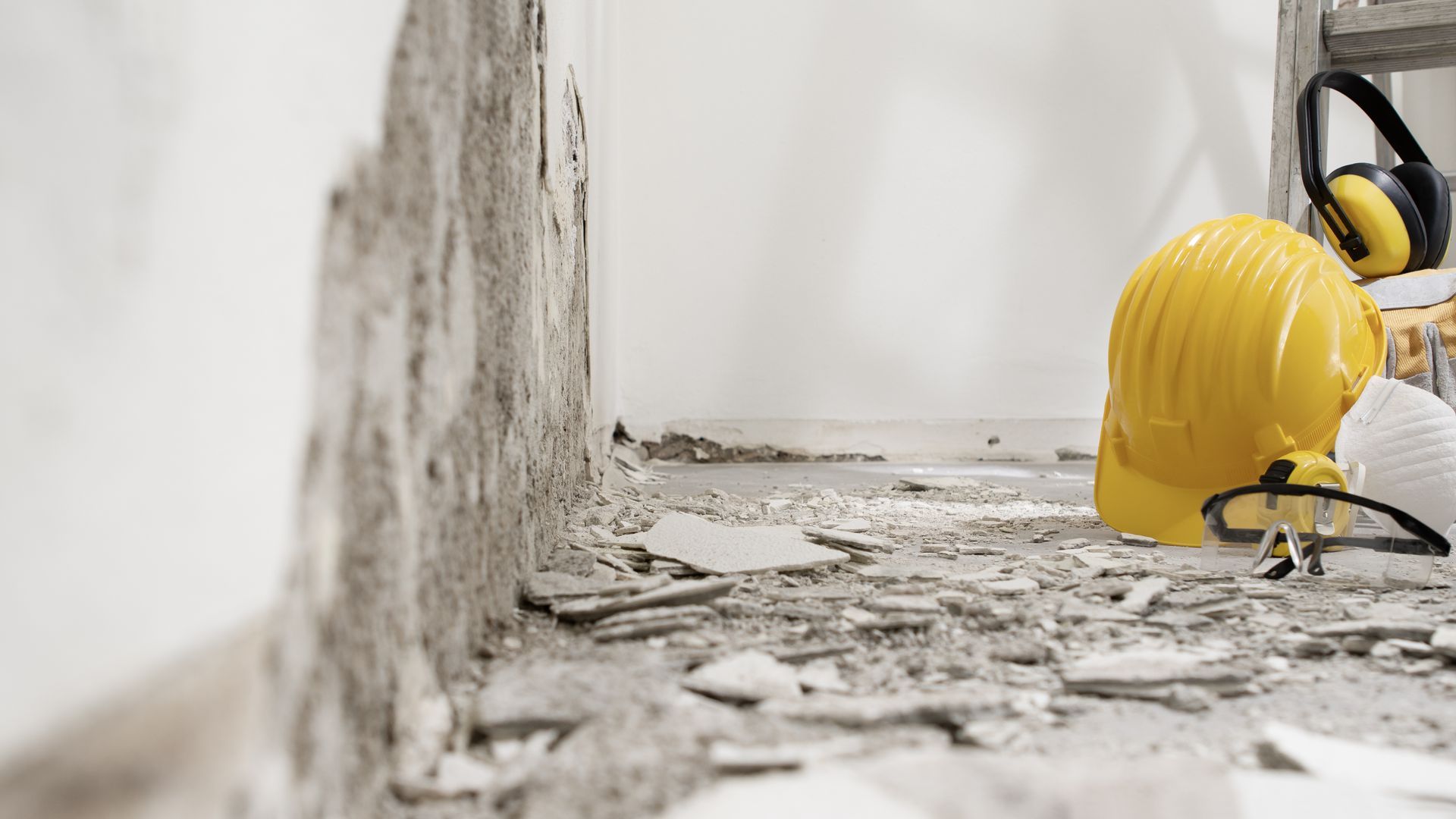
Asbestos and other hazardous materials in older commercial buildings require testing and abatement before demolition crews begin material removal. Inspections involve sampling suspect materials and laboratory analysis to confirm the presence of asbestos, which determines whether abatement is necessary. Once hazardous materials are removed and clearance testing verifies safe conditions, demolition proceeds using equipment and methods suited to the building's construction type and the scope of work specified in project documents.
Property managers observe open floor plans where partition walls have been removed, exposed ceilings cleared of old grid systems and tiles, and concrete or metal deck substrates ready for new flooring installations. Mechanical systems, electrical panels, and plumbing risers that remain in service are protected during demolition, and debris is sorted for recycling or disposal based on material type and local waste management regulations. The demolition process establishes clean work zones that allow follow-on trades to begin framing, mechanical installation, and finish work without delays.
Healthcare facilities and schools require additional protocols to isolate work areas from patients, staff, students, and visitors, which includes off-hours scheduling, noise control measures, and air filtration to prevent dust migration into occupied corridors or rooms. Industrial properties may involve removing heavy equipment, cutting structural steel, or demolishing reinforced concrete, which requires specialized tools and engineering review to ensure building stability throughout the project.
Answers to Frequent Service Questions
Commercial demolition planning addresses regulatory compliance, project sequencing, and coordination with multiple stakeholders to keep renovations on track.
What documentation is required before commercial demolition begins?
Projects typically require permits, asbestos inspection reports, proof of insurance, contractor licensing verification, and coordination plans showing work zones, debris routes, and utility isolation points.
How does selective demolition differ from full building teardown?
Selective demolition removes specific interior components while preserving the building shell, structural frame, and systems that remain in use, whereas full demolition dismantles the entire structure down to the foundation.
Why do commercial projects in New Orleans often involve asbestos abatement?
Many office buildings, retail centers, and institutional facilities were constructed during decades when asbestos was standard in fireproofing, insulation, and finish materials, making pre-demolition testing a regulatory requirement and a practical step to avoid project delays.
What factors affect demolition timelines for commercial properties?
Building occupancy, the extent of hazardous material abatement, debris haul logistics, coordination with other trades, and permit approval timelines all influence how long demolition takes to complete.
When should property owners schedule demolition in relation to lease expirations or tenant move-ins?
Demolition should align with lease turnover dates and contractor availability, finishing just before new build-out work begins to minimize vacant periods and keep the property generating revenue.
Southern Asbestos & Mold Removal provides
commercial demolition services that integrate environmental compliance, safety protocols, and efficient project execution for property owners and facility managers throughout Louisiana. Call (504) 493-1900 to discuss your renovation project and schedule an initial site assessment.