Buildings That Recover After Major Water Events
Flood Damage Restoration in New Orleans for properties affected by hurricanes, heavy rainfall, and severe weather events
Southern Asbestos & Mold Removal provides flood damage restoration for residential, commercial, municipal, and industrial properties throughout Louisiana after hurricanes and severe weather displace standing water into structures. When floodwater enters a building, it saturates porous materials, introduces contaminants, and creates conditions where microbial growth begins within 24 to 48 hours. The restoration process removes water, extracts moisture from structural cavities, and addresses the environmental conditions that lead to long-term deterioration.
Professional restoration involves water extraction using industrial pumps, debris removal from affected spaces, structural drying with air movers and dehumidifiers, continuous moisture monitoring to verify dry-down progress, sanitization of contaminated surfaces, and comprehensive damage assessment to document the extent of impact. Each phase addresses specific threats to the building's integrity and reduces the likelihood of secondary damage from prolonged moisture exposure.
Schedule an emergency response evaluation to assess water intrusion patterns and develop a site-specific restoration plan.
What Happens During Flood Recovery
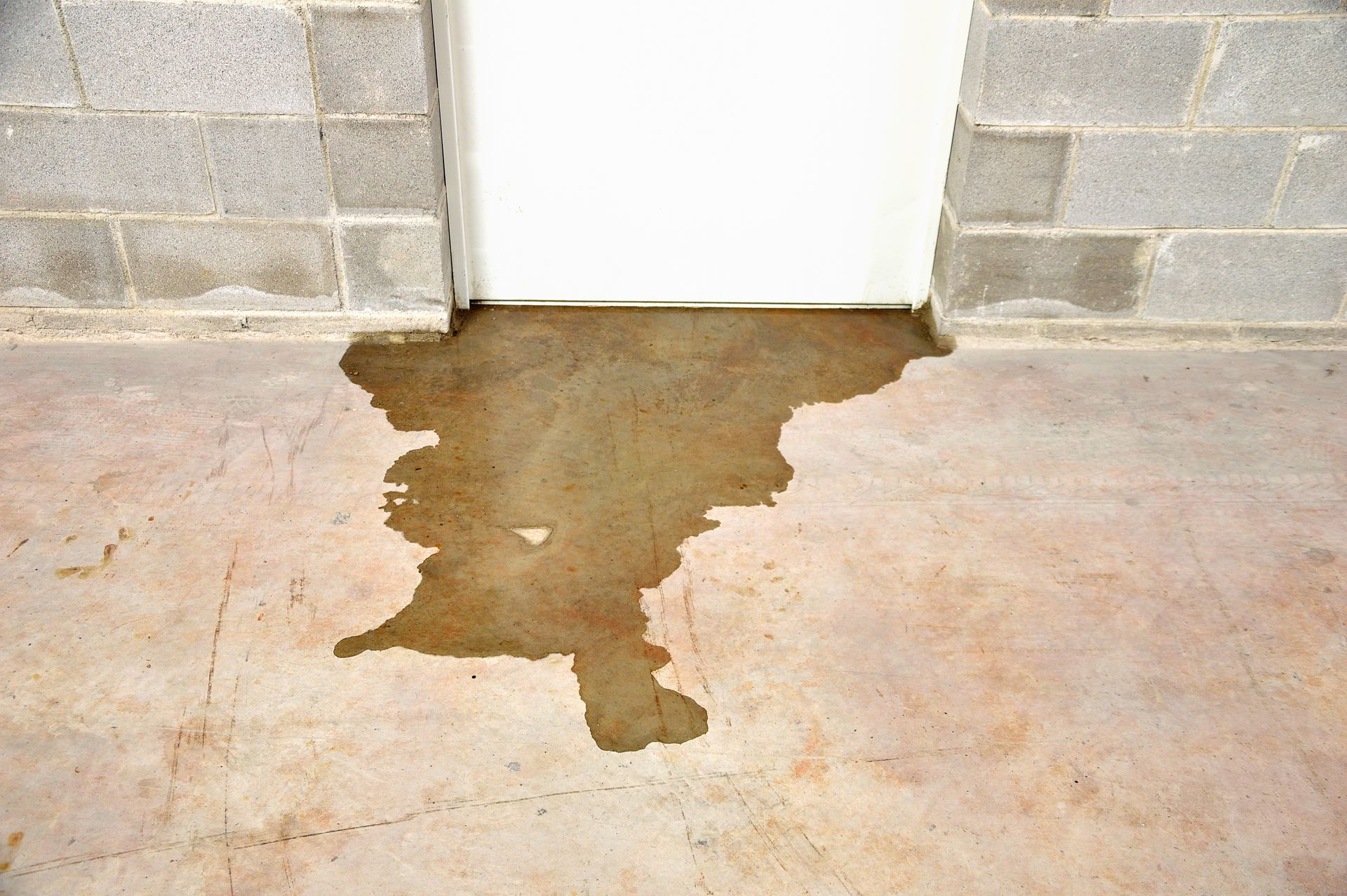
Restoration begins with extracting standing water using truck-mounted pumps or portable extraction units, depending on the volume and location of the flood event. Technicians then remove wet debris, saturated insulation, and materials that cannot be salvaged, which prevents continued moisture absorption into structural components. Air movers and commercial-grade dehumidifiers are positioned to create airflow across wet surfaces and pull moisture from wall cavities, subfloors, and concealed spaces where water migrates after the initial flooding subsides.
You notice structural surfaces that dry to the touch, reduced humidity levels confirmed through moisture meter readings, and the absence of standing water or visible saturation in flooring and walls. Southern Asbestos & Mold Removal monitors moisture levels daily until readings stabilize within acceptable ranges, which confirms that hidden moisture pockets have been addressed. Sanitization follows drying to treat surfaces exposed to floodwater contaminants, and documentation provides a record of conditions before, during, and after restoration.
The process also includes mold prevention measures, since flood restoration that removes moisture quickly reduces the probability of microbial colonization on building materials. Addressing structural drying immediately after water intrusion limits the spread of deterioration into framing, sheathing, and insulation systems that would otherwise require more extensive repairs or replacement.
What Property Owners Need to Know
Flood recovery in Louisiana involves specific considerations related to storm frequency, building construction types, and the volume of water that enters structures during severe weather.
What should happen immediately after floodwater enters a building?
Water extraction should begin as soon as conditions allow safe access to the property, since the first 24 hours determine whether moisture spreads into wall cavities and subfloor assemblies where it becomes harder to remove.
How does moisture monitoring work during structural drying?
Technicians use moisture meters to measure water content in wood framing, drywall, and concrete, taking readings at multiple depths and locations to track drying progress and identify areas where airflow or dehumidification needs adjustment.
Why does flood restoration in New Orleans often require extended drying periods?
High ambient humidity levels during much of the year slow evaporation rates, which means dehumidifiers must run longer to pull moisture from materials compared to drier climates where natural airflow contributes more to the drying process.
What gets sanitized after floodwater recedes?
All hard surfaces that contacted floodwater receive antimicrobial treatment, including floors, lower wall sections, cabinetry bases, and any structural components that remained in place after debris removal, since floodwater carries bacteria and organic contaminants from external sources.
When does mold growth become a concern after flooding?
Mold spores begin germinating on wet surfaces within 24 to 48 hours if moisture levels remain elevated, which is why restoration projects prioritize rapid water removal and continuous drying to prevent colonization before it starts.
Southern Asbestos & Mold Removal responds to
flood emergencies throughout Louisiana with equipment and protocols designed for post-storm recovery. Request immediate assistance to begin water extraction and structural drying before secondary damage develops.