Structures Prepared for Renovation and Rebuilding
Demolition Services in New Orleans for properties requiring selective interior removal, structural preparation, and environmental coordination
Selective demolition creates controlled interior removal that isolates sections of a building for renovation while protecting the remaining structure and occupied spaces. Southern Asbestos & Mold Removal handles demolition for offices, retail spaces, healthcare facilities, schools, industrial buildings, and residential properties where remodeling, tenant improvements, or environmental remediation requires precise material removal. The process involves planning that accounts for structural loads, utility isolation, debris management, and coordination with asbestos remediation when inspections identify hazardous materials in older buildings.
Demolition work includes removing interior walls, ceilings, flooring assemblies, fixtures, cabinetry, and finishes down to structural framing or specified stop points. Debris is sorted, contained, and removed from the site to maintain safe working conditions and allow follow-on trades to begin their work without obstruction. When asbestos-containing materials are present, abatement occurs before demolition proceeds, which prevents fiber release during material handling and keeps the project compliant with environmental regulations.
Arrange a project consultation to review demolition scope, identify coordination requirements, and establish site-specific work sequences.
How Selective Demolition Protects Surrounding Structures
Planning begins with identifying structural members that must remain intact, locating utilities that require isolation or disconnection, and confirming environmental testing results before any material removal begins. Demolition proceeds methodically, using hand tools and equipment scaled to the project size to minimize vibration, dust generation, and impact on adjacent spaces. Protective barriers isolate work areas from occupied sections of the building, and debris chutes or staging zones contain materials as they are removed.
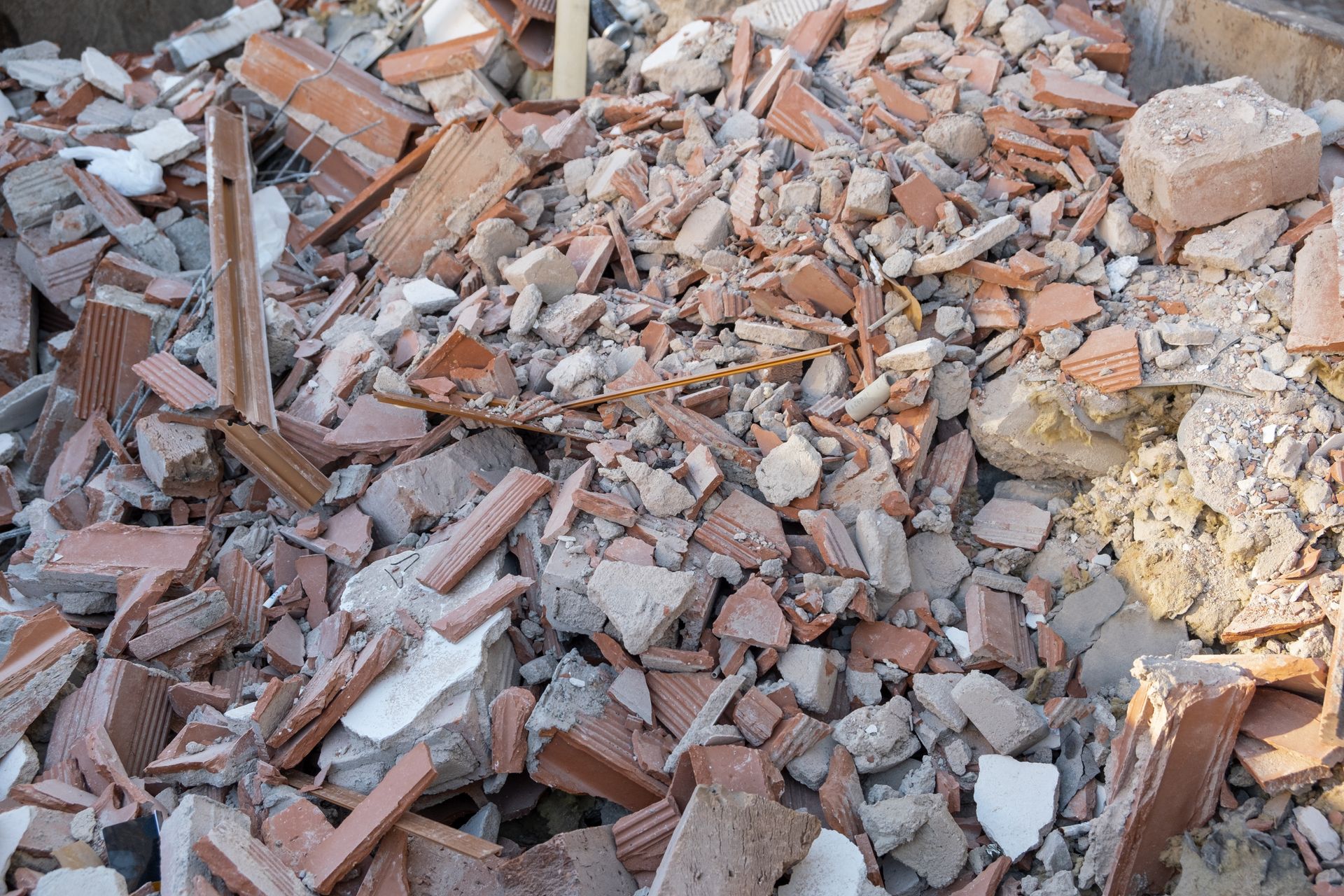
You see cleared interior spaces with exposed framing, removed finishes down to the agreed-upon demolition limits, and clean staging areas ready for contractors to begin renovation work. Load-bearing components remain undisturbed unless structural modifications are part of the planned scope, and utility penetrations are capped or isolated to prevent accidental activation during construction. Southern Asbestos & Mold Removal coordinates debris removal schedules with property managers and general contractors to avoid delays and maintain site access.
Safe work practices include daily site inspections, dust control measures, and ongoing communication with architects, engineers, and building owners to address conditions discovered during demolition. Projects involving healthcare facilities, schools, or occupied commercial buildings require additional isolation protocols to protect building occupants from noise, dust, and access disruptions.
Questions About Demolition Projects
Demolition planning varies based on building type, occupancy status, and the extent of material removal required for the project.
What happens during the planning phase before demolition begins?
The team reviews architectural drawings, conducts site walks to verify conditions, confirms asbestos and environmental testing results, and develops a work sequence that isolates utilities, protects structural elements, and coordinates debris removal logistics.
How is debris managed during interior demolition?
Materials are sorted into categories for recycling, disposal, or special handling, then loaded into containers or trucks staged at designated areas to prevent accumulation inside the building and maintain clear pathways for workers and equipment.
Why do older buildings in New Orleans often require asbestos inspections before demolition?
Structures built before the 1980s commonly contain asbestos in floor tiles, ceiling textures, pipe insulation, and wall panels, and disturbing these materials without proper abatement creates regulatory violations and health risks.
What gets protected during selective demolition?
Structural columns, load-bearing walls, mechanical systems that remain in service, windows, exterior walls, and any building components outside the demolition scope are shielded with barriers or left undisturbed based on project specifications.
When should demolition be scheduled in relation to other trades?
Demolition occurs after environmental abatement and before framing, electrical, plumbing, and finish work begins, which establishes clean surfaces and clear access for renovation activities.
Southern Asbestos & Mold Removal works with commercial property owners, facility managers, and contractors to execute demolition projects that align with renovation timelines and regulatory requirements. Request a project estimate to begin planning your demolition scope.