Surfaces That No Longer Support Growth
Mold Remediation in New Orleans for properties where moisture intrusion has caused visible growth or musty odors
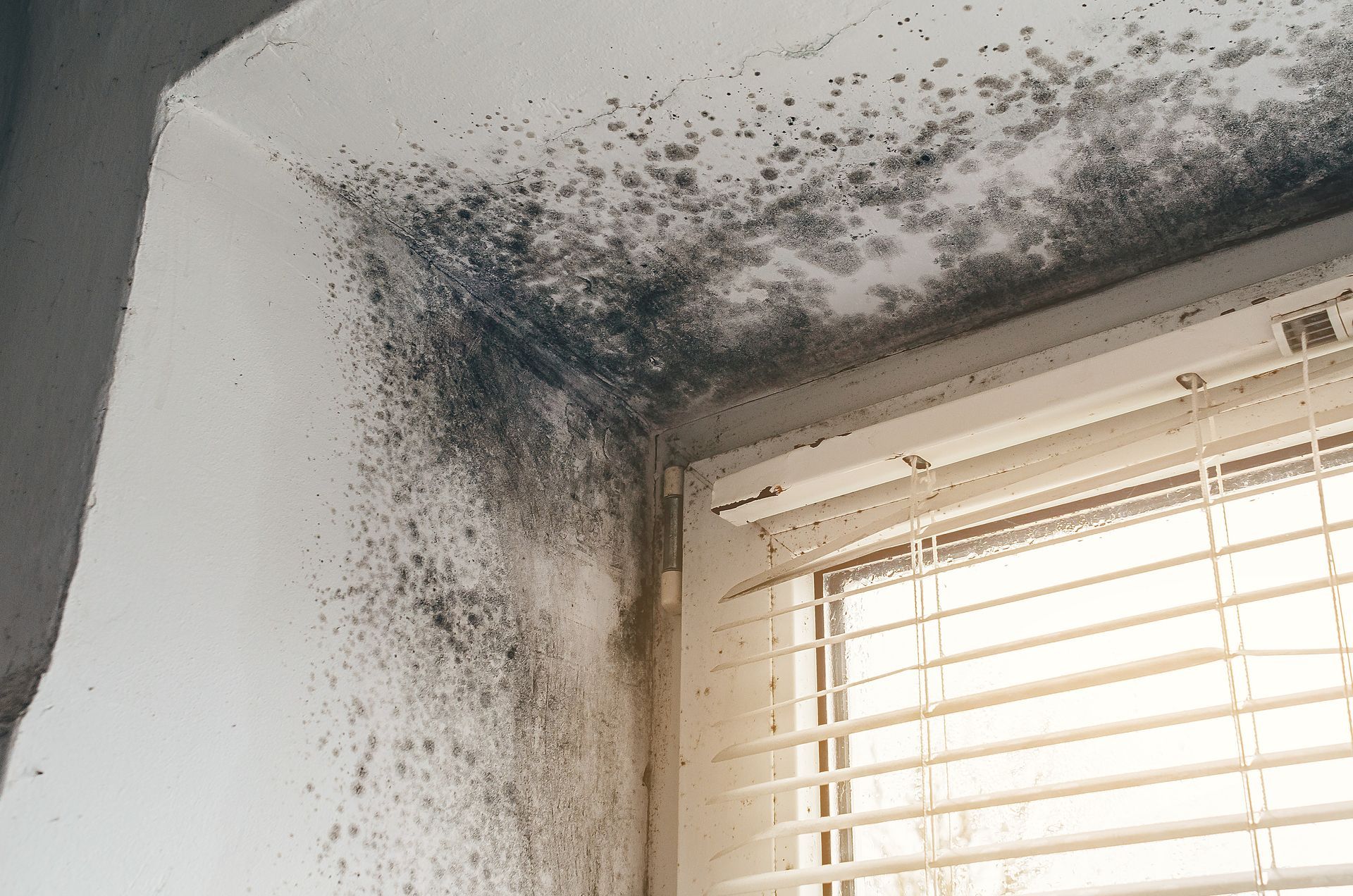
Mold develops when building materials remain wet for more than forty-eight hours, a common occurrence in Louisiana where high humidity, roof leaks, plumbing failures, and storm damage create ideal conditions for fungal colonization. Southern Asbestos & Mold Removal provides mold remediation across New Orleans for residential and commercial properties where water intrusion has led to visible growth on walls, ceilings, insulation, or structural framing. The remediation process includes containment to prevent spore dispersal, removal of contaminated materials, HEPA cleaning of salvageable surfaces, structural drying to eliminate residual moisture, and recommendations to address underlying water sources that caused the initial growth.
Remediation becomes necessary after plumbing leaks saturate drywall, roof damage allows water into attics, appliance failures flood flooring, or hurricane-related intrusion soaks building cavities. Health concerns arise when mold releases airborne spores that affect indoor air quality, making prompt remediation important for protecting occupants while preventing further structural deterioration.
Schedule an inspection to identify growth patterns and moisture sources before remediation begins.
What You Notice Once Remediation Is Finished
Remediation starts with establishing containment barriers and negative air pressure to isolate affected areas, followed by removing porous materials like drywall and insulation that cannot be adequately cleaned, wire-brushing and HEPA-vacuuming non-porous surfaces to eliminate spore deposits, and using dehumidifiers and air movers to reduce moisture levels below the threshold that supports regrowth. Antimicrobial treatments are applied to cleaned surfaces when appropriate.
After remediation, musty odors disappear, visible growth is completely eliminated, and moisture readings confirm that building materials have dried to levels that prevent future colonization. You can proceed with repairs such as drywall replacement and repainting knowing that underlying conditions no longer support mold development.
Addressing the moisture source is critical for long-term prevention, whether that involves repairing roof flashing, replacing corroded plumbing, improving ventilation in bathrooms and crawl spaces, or installing dehumidification systems in areas prone to condensation. Remediation removes existing growth but does not prevent recurrence if water intrusion continues.
Questions Before Starting Your Project
Remediation questions often focus on health risks, what materials require removal, and how to prevent mold from returning after cleanup.
What building materials can be cleaned versus what must be removed?
Non-porous surfaces like metal studs, concrete, and tile can be cleaned and sanitized, while porous materials such as drywall, insulation, and ceiling tiles typically require removal because spores penetrate deep into fibers.
How does containment prevent mold spores from spreading during removal?
Polyethylene barriers seal work areas, negative air machines exhaust air through HEPA filters, and controlled demolition minimizes disturbance that would otherwise release spores into adjacent rooms.
Why does New Orleans see frequent mold problems compared to drier climates?
Louisiana's year-round humidity levels often exceed sixty percent, creating conditions where any water intrusion from leaks or storms leads to rapid mold colonization on damp building materials within two to three days.
What moisture levels must be achieved to prevent mold regrowth?
Building materials should be dried to moisture content below fifteen percent for wood and below one percent for concrete and masonry to eliminate conditions that support fungal growth.
How quickly should remediation begin after discovering mold?
Starting within days of detection limits the extent of colonization, reduces the volume of material requiring removal, and prevents spore concentrations from increasing throughout the property.
Correcting moisture problems is as important as removing existing growth to prevent recurrence. Southern Asbestos & Mold Removal addresses both contamination and underlying water sources during every remediation project. Request an evaluation to determine the scope of growth and necessary moisture corrections.