Containment That Protects Every Adjacent Space
Asbestos Abatement in New Orleans for buildings where controlled procedures prevent fiber migration during material removal
Asbestos abatement involves engineering controls and containment systems that isolate work areas, prevent airborne fibers from reaching occupied spaces, and ensure that removal follows protocols established by federal and Louisiana environmental agencies. Southern Asbestos & Mold Removal provides abatement services throughout New Orleans for residential properties, commercial buildings, schools, hospitals, industrial facilities, and multifamily housing where testing confirms asbestos-containing materials require extraction. You need abatement when renovation plans involve disturbing materials, when damaged insulation or ceiling texture releases fibers, or when regulatory agencies mandate removal before demolition permits are approved.
Abatement differs from testing by implementing full containment barriers, negative air pressure systems, controlled removal using wet methods that suppress dust, and documented disposal at approved Louisiana facilities. The process protects building occupants in adjacent rooms, construction workers on site, and neighbors from airborne exposure during material handling.
Request a consultation to review abatement requirements based on your project scope and building layout.
What Changes After Abatement Completes
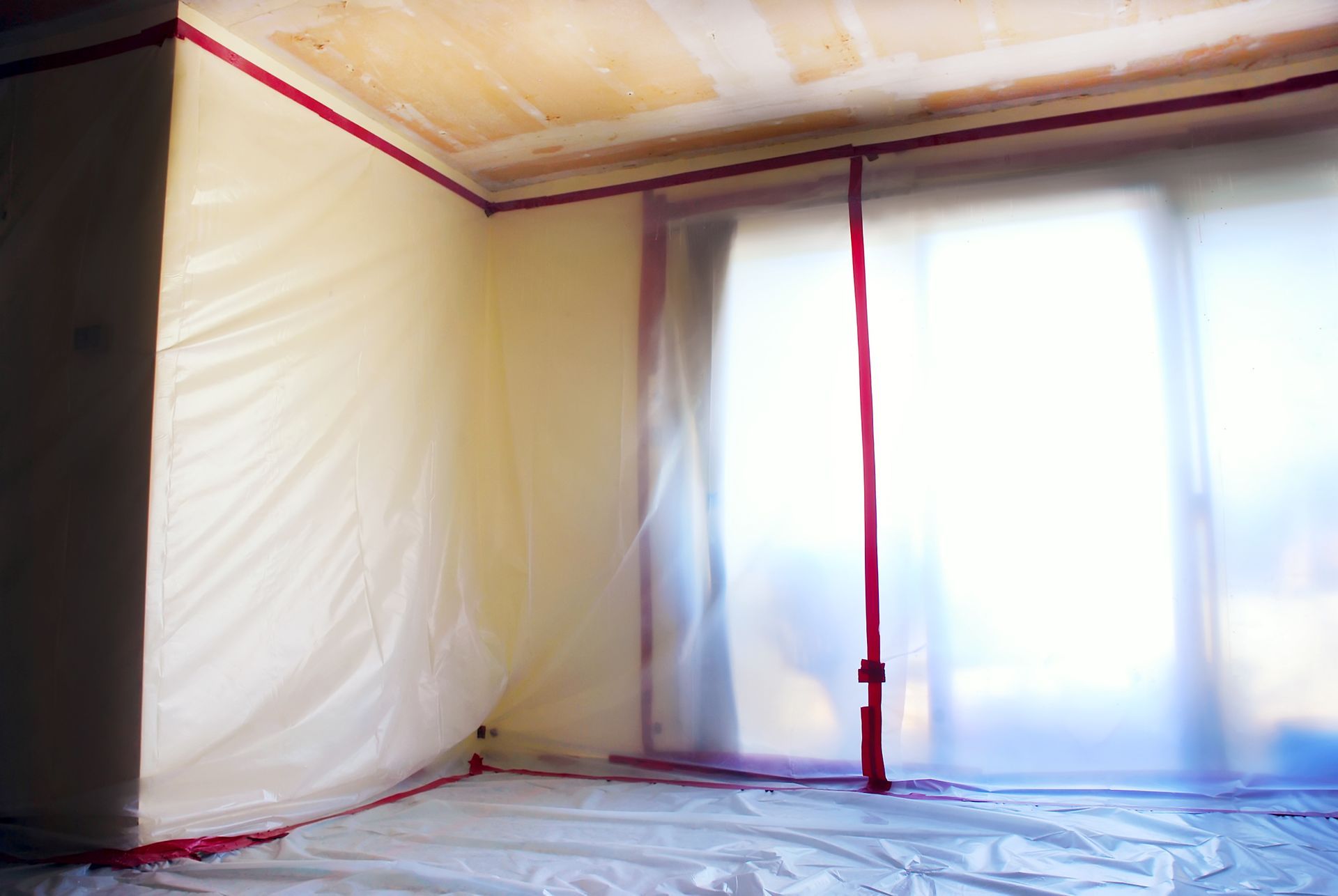
Containment begins with sealing HVAC vents and installing polyethylene barriers over doorways and wall openings, followed by establishing negative air pressure with HEPA-filtered machines that exhaust outside. Workers in respirators and protective suits remove materials using wetted hand tools, seal waste in double-layered disposal bags, and clean all surfaces with HEPA vacuums before dismantling containment zones.
Once abatement finishes, independent clearance testing confirms that airborne fiber concentrations fall below regulatory thresholds, allowing contractors to proceed with construction and occupants to return safely. You receive project documentation that includes waste manifests, disposal receipts, air monitoring results, and clearance reports required for regulatory compliance and property transaction disclosures.
Abatement projects vary from single-room enclosures in homes to multi-floor containment systems in
commercial buildings, with each project following identical safety protocols regardless of scale. Work proceeds in phases when buildings remain partially occupied, allowing business operations to continue while abatement isolates specific zones.
Common Questions About This Service
Abatement questions typically address containment methods, disposal requirements, and how projects minimize disruption to daily operations.
What is negative air pressure and why does abatement require it?
Negative air machines exhaust air from containment zones through HEPA filters, creating lower pressure inside work areas that prevents asbestos fibers from escaping into occupied spaces through gaps or openings.
How are asbestos-containing materials disposed of after removal?
All waste is sealed in six-mil polyethylene bags labeled with asbestos warnings, transported under manifest documentation, and delivered to Louisiana-approved landfills that accept regulated hazardous materials.
Why does New Orleans require abatement before certain demolition projects?
Louisiana environmental regulations mandate asbestos surveys and abatement for commercial demolitions to protect workers and prevent fiber release into surrounding neighborhoods during building teardown.
What happens if asbestos is found in unexpected locations during renovation?
Work stops immediately in affected areas, additional testing confirms material content, and abatement contractors establish containment before any further disturbance occurs.
How do clearance procedures confirm that abatement was successful?
Third-party inspectors collect air samples after cleaning, laboratories analyze samples for fiber concentrations, and written clearance reports document that airborne levels meet reoccupancy standards before containment is removed.
Southern Asbestos & Mold Removal follows environmental protection standards on every abatement project to maintain compliance and safety. Arrange an on-site review to develop an abatement plan that aligns with your construction timeline and regulatory obligations.